Cairo Egypt Tours · Travel planning
Cairo beyond the pyramids
Give the capital a second chapter through focused museum visits, historic neighbourhoods and time to notice the city between its landmarks.
Build a second Cairo day with its own purpose
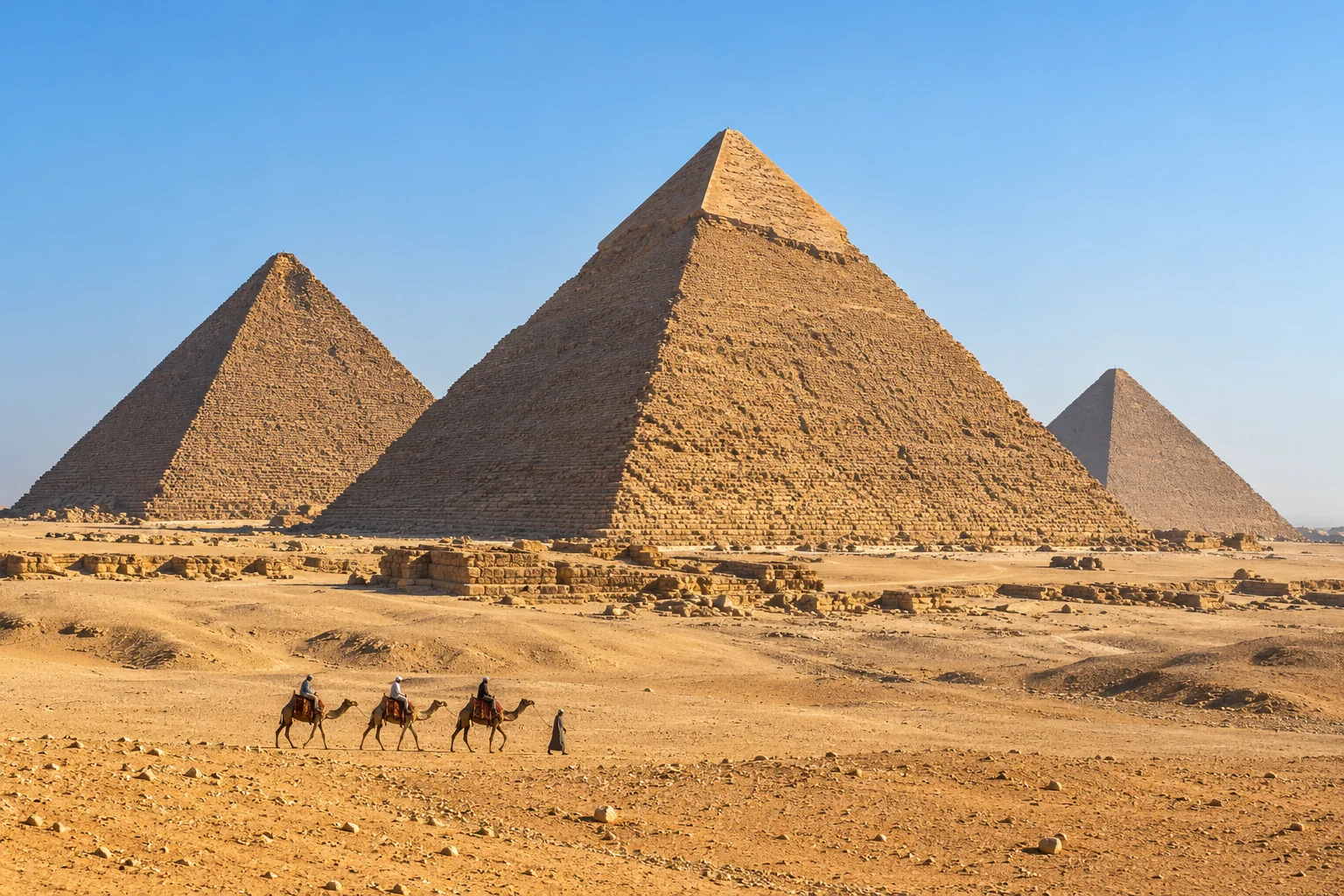
The pyramids are an extraordinary introduction, but they do not explain the whole city. A second day can shift attention from ancient monuments to the neighbourhoods, collections and streets that reveal other periods of Cairo’s story. Choose a theme rather than adding whatever did not fit at Giza. You might focus on religious heritage, architecture or a museum collection. That choice helps a guide connect the stops meaningfully and leaves room for observation, instead of making the city feel like a series of unrelated vehicle drop-offs.
Choose a museum rather than collecting museums
Ask what you want from a museum visit: an introduction to ancient Egypt, time with particular objects, or a deeper understanding after seeing archaeological sites. Name the museum in the plan and discuss the collection you expect to see. The Grand Egyptian Museum and other Cairo museums should not be treated as identical experiences. Trying to combine several major collections in one day can make attention, rather than transport, the limiting factor. One well-chosen visit with time for questions often gives more context than several hurried walkthroughs.
Approach Coptic Cairo as a neighbourhood
Coptic Cairo offers a different historical perspective from the pyramid plateau and the great museum galleries. Give the area a considered walking route rather than expecting every building to be open or every stop to work as a quick photograph. Discuss the proposed religious sites with your guide and follow local visiting instructions. Share access needs before confirming, since streets, entrances and steps may influence the route. Leave space for explanation: the connections between places are part of the value, not simply the number of doorways entered.
Give historic streets room to unfold
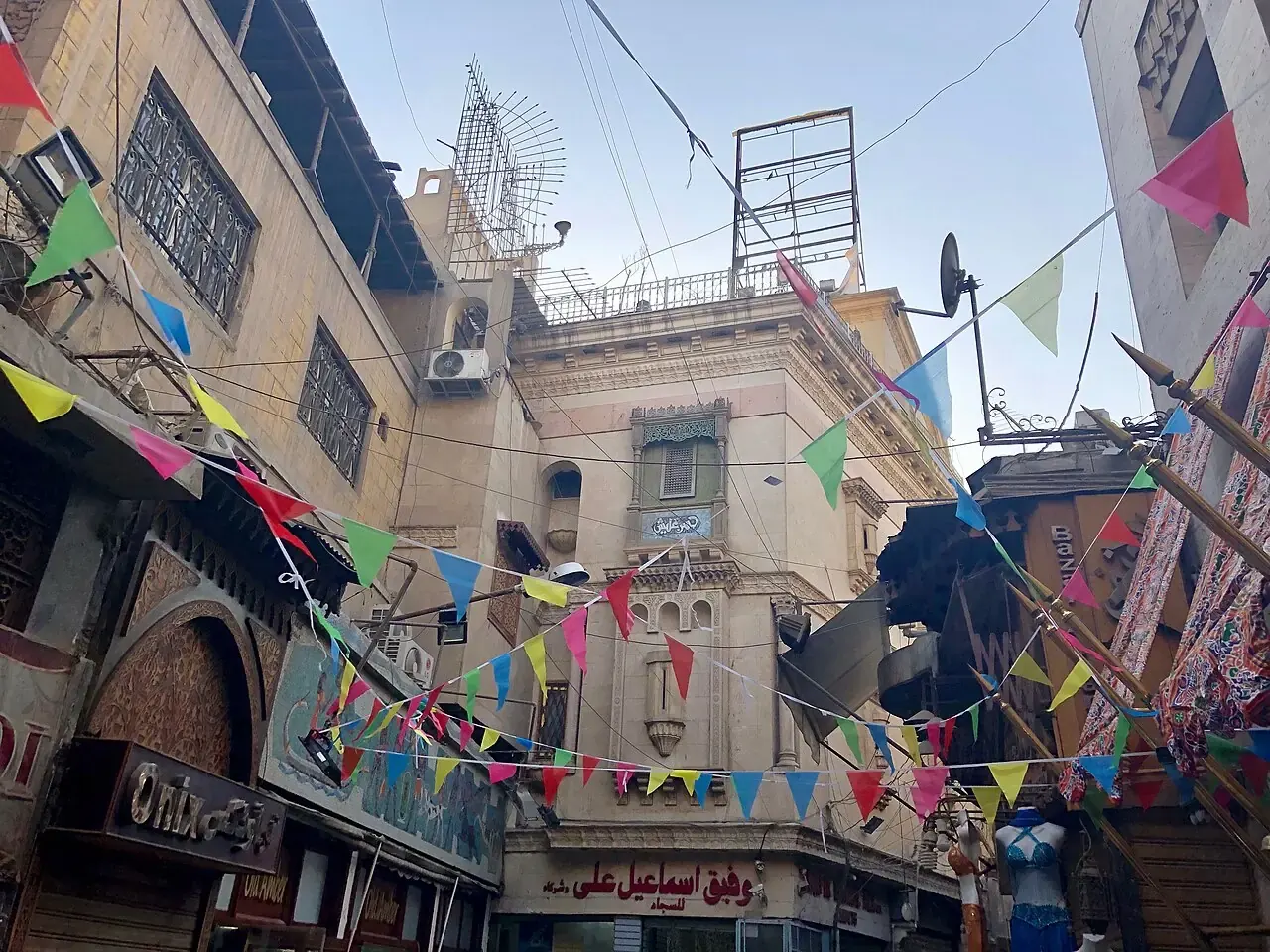
A walk through historic Islamic Cairo and the Khan el-Khalili area can combine architecture, trade and the everyday movement of the city. Ask for a route that matches your interests rather than assuming shopping must dominate it. If you would enjoy browsing, make that preference clear; if you would rather concentrate on buildings and stories, say so. Time for a drink or a pause can make a walking visit feel less transactional. Photography should be considerate, particularly when people rather than monuments become the subject of the image.
Use lunch and transfers as part of the rhythm
Cairo’s traffic means that a short distance on a map is not a reliable promise of a quick transfer. Group visits sensibly and resist crossing the city repeatedly to add individual attractions. Decide whether lunch is a planned meal, a simple break or outside the booked service, and check how that affects the schedule. Your hotel location and any onward flight should be part of the discussion. A leisurely lunch is enjoyable only when it does not turn the final journey into an anxious race against a fixed deadline.
Keep a few choices open without leaving everything vague
A useful private plan combines a clear core with some flexibility. Agree the main neighbourhoods, included admissions, guiding language, walking expectations and return arrangements before travel. Then identify a smaller optional stop or a longer pause that can adapt to the day. Flexibility is not a promise that any distant attraction can be added at no cost. If you already have Giza and a museum arranged, tell the planner so the second outing adds something genuinely different. Cairo becomes more memorable when each day develops a distinct perspective.